What I Actually Learned Studying Software Engineering in Germany
More Than Just Writing Code
Studying Software Engineering in Germany ended up being about much more than programming languages, frameworks, or passing exams. It was an experience that slowly reshaped how I think about work, systems, and responsibility. Over time, I realized that the most valuable lessons weren’t always technical — they were about mindset.
From the beginning, there was a strong emphasis on understanding why something should be built before focusing on how. That alone changed the way I approach problems today.
Learning to Value Clarity
One of the strongest lessons I took from my studies in Germany was the importance of clarity. Requirements were clear, expectations were explicit, and ambiguity was treated as something to resolve early — not something to work around later.
In practice, this meant slowing down before jumping into solutions. Taking the time to understand constraints, edge cases, and long-term implications became the norm. Over time, I noticed how this translated naturally into better system design, cleaner code, and fewer “quick fixes” that come back to haunt you later.
This mindset still guides how I build software today: clarity first, complexity only when it’s truly necessary.
Discipline, Consistency, and Process
Progress in Germany rarely felt dramatic. Instead of big moments or sudden breakthroughs, improvement came from discipline and consistency. Showing up prepared, meeting deadlines, and respecting processes were expected, not celebrated.
At first, this felt rigid. Over time, I understood its value. Systems that are built carefully and consistently tend to be more reliable, easier to maintain, and easier to scale. That applies not only to software, but to habits, teams, and long-term goals as well.
Thinking in Systems, Not Just Features
Another important shift was learning to think in terms of systems rather than isolated features. Many courses emphasized architecture, structure, and the relationships between components instead of just individual implementations.
This helped me develop a more holistic way of thinking: how changes in one part of a system affect others, how decisions today influence maintainability tomorrow, and why simple designs often outperform clever ones in the long run.
It’s a perspective I now apply whether I’m working on AI pipelines, backend systems, or web applications.
Growing in a Multicultural Environment
Studying in an international environment also played a huge role in my development. Working alongside people from different cultures and backgrounds forced me to communicate more clearly, listen more carefully, and collaborate without ego.
Technical skills matter, but being able to explain ideas, accept feedback, and work toward a shared goal matters just as much. These experiences helped me become more adaptable and comfortable working in diverse teams — something I value deeply today.
Ownership and Responsibility
One subtle but powerful lesson was the expectation of ownership. You were responsible for your work, your decisions, and the outcome. Excuses didn’t go far. If something didn’t work, the expectation was to understand why and improve it.
That sense of responsibility shaped how I approach projects now. I don’t just focus on shipping features — I think about reliability, maintainability, and the impact of my decisions over time.
Looking Back
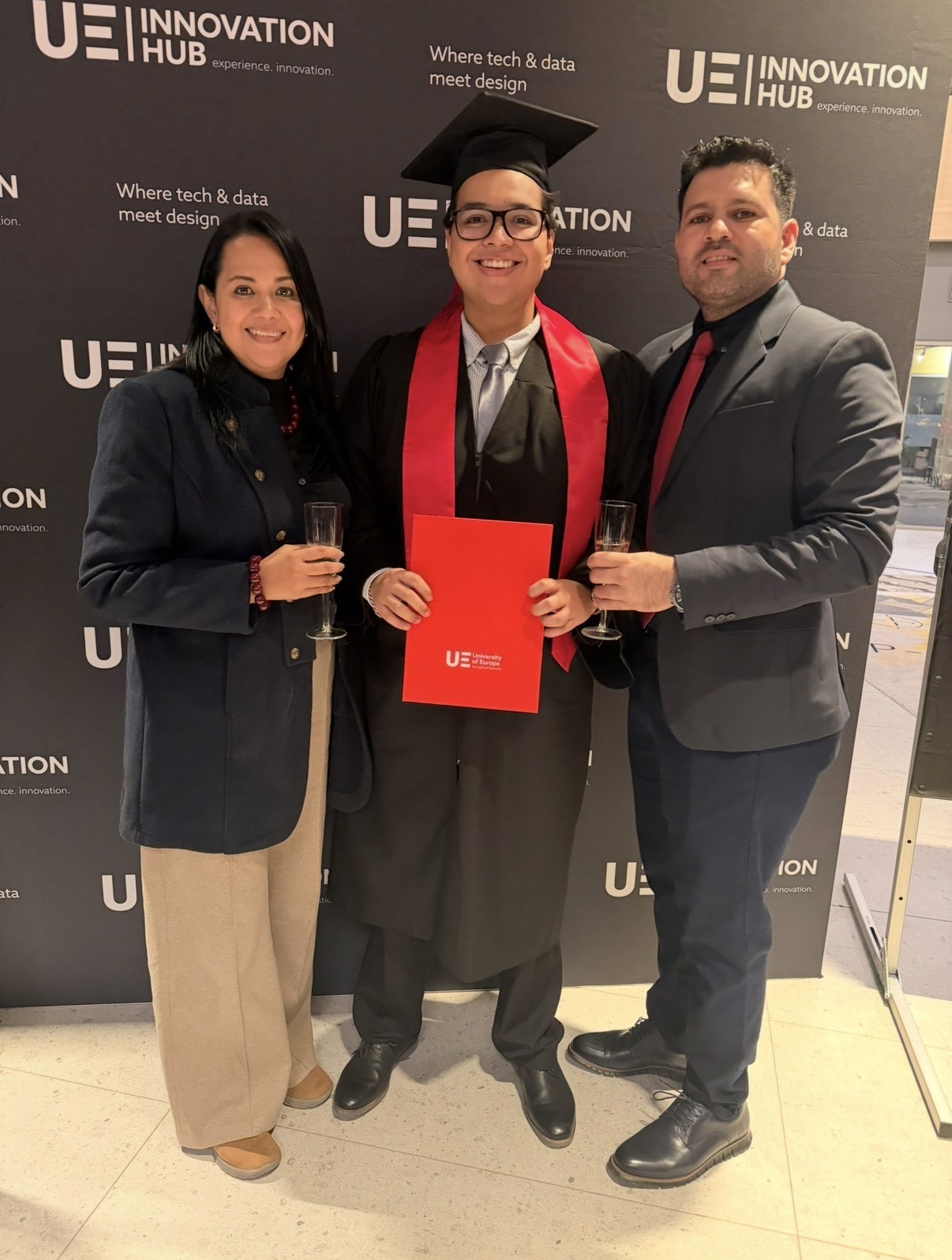
Looking back, studying Software Engineering in Germany wasn’t just about earning a degree. It was about learning how to think, how to build, and how to approach problems with intention.
The technical knowledge matters, of course. But the deeper lessons — clarity, discipline, systems thinking, and responsibility — are the ones that continue to influence how I work today, long after university.